Why Does Brake Fluid Need to Be Flushed Even When Your Brakes Feel Fine?
November 27, 2026
The brake pedal feels firm, the car stops straight, and there's no warning light. So why does the service schedule call for replacing brake fluid? The answer is inside the hydraulic system, where fluid faces heat, pressure, and moisture exposure over time. You don't need to wait for the brakes to feel weak before asking if the fluid is due for maintenance.
Brake Fluid Does More Than Fill a Reservoir
When you press the brake pedal, the hydraulic system transfers that force to the brakes at the wheels. Brake fluid has to remain stable across a wide temperature range and protect metal and rubber components designed for that particular specification. DOT 3, DOT 4, and other approved formulations have different performance requirements. The correct fluid is listed by the manufacturer, and mixing products or choosing one by color is a poor way to service the system.
A clean-looking reservoir doesn't guarantee the fluid has retained its original properties. Brake fluid can absorb moisture over time through hoses, seals, and normal exposure during service. The rate differs with the vehicle, environment, and fluid chemistry. An inspection of the reservoir and service records helps establish when the last replacement occurred. Never open a brake-fluid reservoir unnecessarily or allow contaminants into the system. Small amounts of dirt or incorrect fluid can create expensive hydraulic problems.
Moisture Changes the Fluid's Boiling Behavior
Many common automotive brake fluids are hygroscopic, meaning they absorb water. As moisture content increases, the fluid's effective boiling point falls. Brakes generate considerable heat during repeated stops or downhill driving. Under severe conditions, overheated fluid can form vapor, and vapor compresses much more readily than liquid. That's when a pedal may become soft or travel farther than expected.
Most daily commutes never heat the brakes enough to reveal that problem. That's precisely why a normal pedal doesn't tell you everything about fluid condition. A car descending a long grade or making repeated hard stops faces a different temperature demand from one moving through town. Brake-fluid service is preventive maintenance, not a promise that every overdue vehicle will suddenly lose its brakes. The correct interval is determined by the manufacturer and the vehicle's operating conditions.
Brake fluid also experiences repeated temperature changes around the calipers and ABS hardware. Heavy loads, mountain driving, and frequent downhill braking increase the demands on the fluid, even when routine city stops feel entirely normal. That doesn't mean the fluid needs replacement after every road trip. It means a manufacturer-approved service interval has a purpose that isn't obvious from pedal feel. Replacing overdue fluid supports predictable hydraulic behavior under the conditions the system was designed to handle.
Corrosion Can Develop Long Before Pedal Feel Changes
Moisture and depleted corrosion inhibitors can affect internal hydraulic surfaces over time. Calipers, brake lines, ABS hydraulic components, and other parts rely on fluid compatible with their materials. Corrosion doesn't announce itself with a special dashboard light. A sticking caliper or abnormal brake behavior may appear later, but the damage can begin well before the owner notices anything behind the wheel.
That's why replacing fluid on the specified schedule can be worthwhile even when stopping distances feel unchanged. We can't reverse existing corrosion with fresh fluid, and a flush won't fix a hydraulic leak or seized caliper. If inspection reveals wet connections, contaminated fluid, or poor pedal response, those are separate repair decisions. Routine brake maintenance should distinguish the age of the fluid from the condition of friction parts and hydraulic hardware.
Flushing Isn't the Same as Adding a Little Fluid
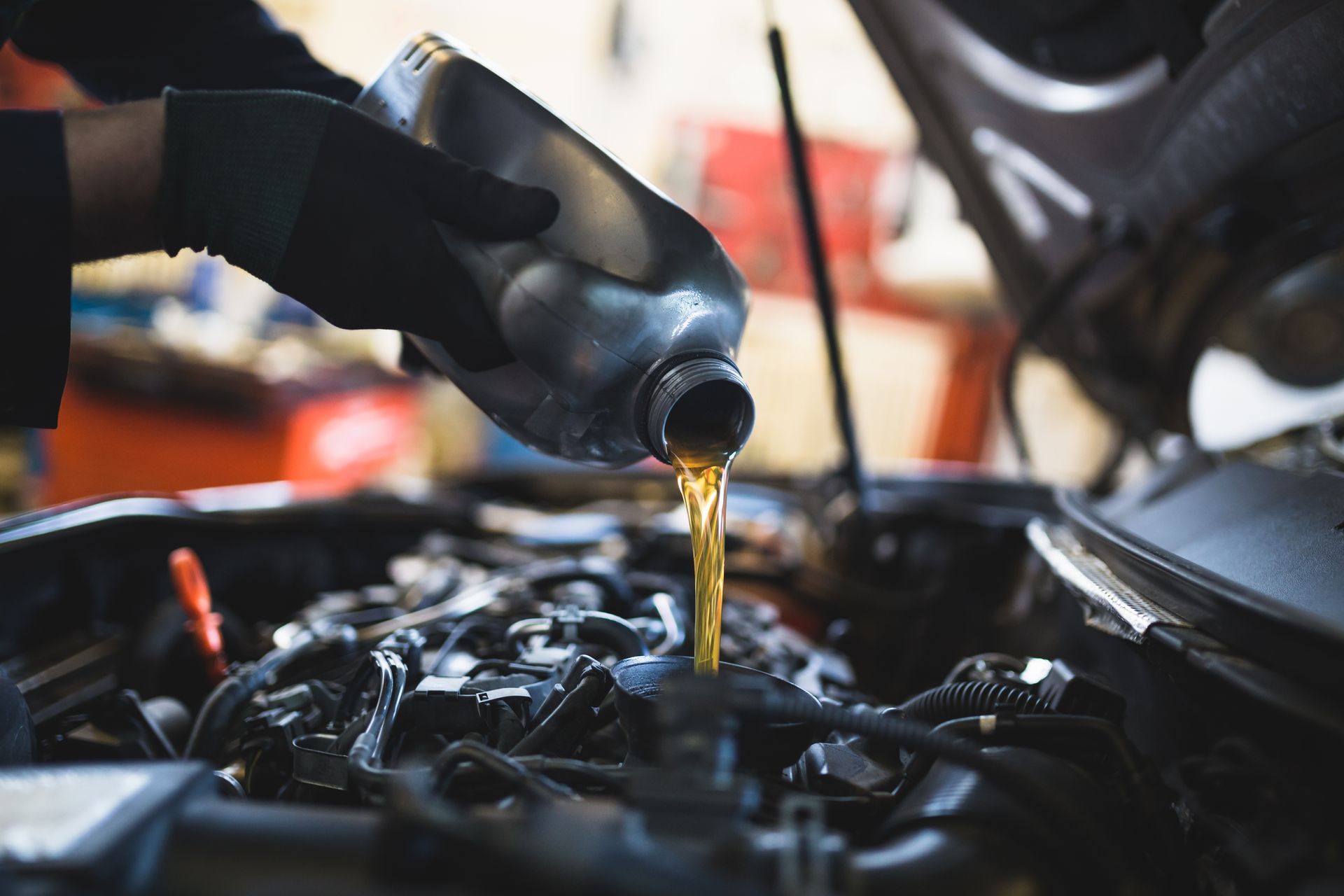
Topping off a reservoir replaces only a small amount of liquid. We would use the manufacturer's approved exchange process for the relevant hydraulic circuits and the specified fluid. Some vehicles require electronic procedures to service portions of the ABS hydraulic unit. Others use simpler bleeding arrangements. The right method depends on the vehicle, and an improper procedure can introduce air into the lines.
If the reservoir is low, determine why before filling it repeatedly. Normal brake-pad wear can lower the level as caliper pistons move outward, while a fluid leak is a more urgent concern. A low level with a red brake warning or reduced braking ability calls for immediate evaluation. Brake fluid also damages painted surfaces, so spilled fluid needs prompt, correct cleanup. A professional service should end with a firm pedal, no leaks, and normal brake-system operation.
When to Schedule a Brake Fluid Check
Some manufacturers specify replacement every few years, while others use different schedules and testing rules. There's no universal interval for every model. Look at your owner's manual and past invoices. If the fluid's service date is unknown, discuss that history during an inspection. Testing the fluid may provide helpful evidence, but the manufacturer's time requirement still carries weight even when a sample looks clear.
In Gallatin, seasonal humidity and regular commuting are reasons to keep records, not to invent a shorter schedule for every car. Hangar Unlimited Auto Care & Tires in Gallatin, TN, can discuss the vehicle's brake-fluid requirements alongside the condition of pads, rotors, and hydraulic components. You'll know which service is scheduled maintenance and which work responds to a confirmed problem. A normal pedal is reassuring, but it doesn't replace the service history.
Fluid-test strips or electronic testers have limitations and need to be used according to their instructions. A reading about moisture or contamination can support a recommendation, but the result should be understood alongside the manufacturer's schedule and fluid specification. If the last invoice shows the brake fluid was replaced recently, check the work record before approving the same service again. The most valuable maintenance plan is one you can verify from actual dates and documented work.
Get Brake Fluid and Brake System Inspection in Gallatin, TN, With Hangar Unlimited Auto Care & Tires
Hangar Unlimited Auto Care & Tires in Gallatin, TN, can discuss the brake-fluid schedule for your exact vehicle. We'll distinguish preventive fluid service from repairs needed for a separate braking concern.
Call
Hangar Unlimited Auto Care & Tires or schedule a brake appointment online.